Short answer: You can sell a flood-damaged car in Florida, but the paperwork depends on what happened with insurance. If your insurer declared the car a total loss, the title gets a flood brand. If the car was not insured and repairs would cost 80% or more of its value, Florida says it cannot be sold until a salvage title or certificate of destruction has been applied for. A flooded car also gets worse every week it sits, so it pays to act fast. For a free, no-obligation offer, use our online offer form or call 321-442-0085.
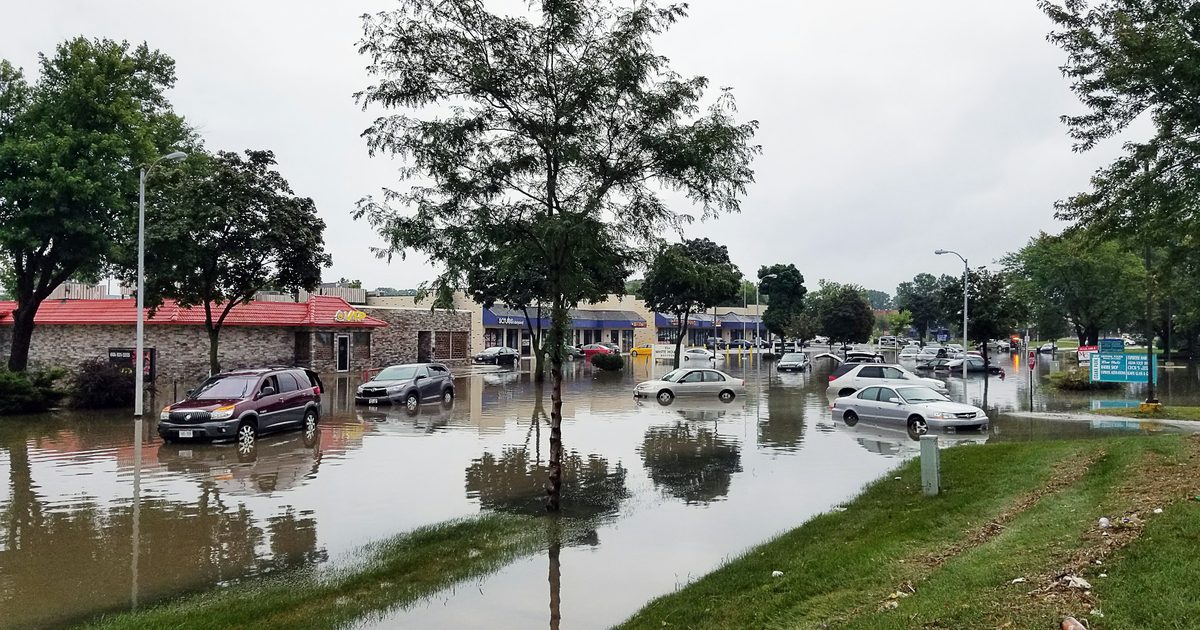
Heavy rain and storms can leave streets, parking lots and driveways under water in Central Florida. When the water goes down, many owners are left with a car that smells, won't start or has warning lights everywhere. This guide explains, in plain English, how to tell if your car is flood-damaged, what Florida law says about selling it, and how to get it off your hands.
Signs your car has flood damage
Some flood damage is easy to see. Some only shows up weeks later. The Florida Department of Highway Safety and Motor Vehicles (FLHSMV) lists these warning signs:
- A musty smell. If the car smells damp, water got inside. A very strong air freshener smell can be hiding mildew.
- Mold or wet carpet. Check the carpet, seats and upholstery for mold and strong smells.
- A waterline or mud. Look in places people forget, like the glove box, under the dash and in the trunk.
- Odd rust or corrosion. Rust under the car that seems too heavy for its age is a red flag.
Other common problems after a flood include electrical faults, warning lights, windows or locks that stop working, and an engine that won't turn over. If water reached the engine, do not keep trying to start it. That can turn a bad problem into a ruined engine.
How Florida brands flood-damaged cars
A "brand" is a label on the title that shows a car's past condition, such as salvage or flood. FLHSMV explains that when a flooded car is reported to the owner's insurance company, the insurer brands the vehicle and reports it to the state. Insurers are required to brand flooded vehicles as "salvage flood." Florida law (section 319.14, Florida Statutes) requires the title to show clearly that the vehicle is flood damaged.
The brand stays with the car. Anyone can check a Florida-titled car's brands with the FLHSMV Motor Vehicle Information Check, using the VIN or title number. The national NMVTIS database also shows brand history. So you can't "hide" a flood car, and an honest buyer won't ask you to.
Insurance total loss vs. keeping the car
What you do next depends on your insurance.
If you had insurance that covers flood damage: File a claim first. If the insurer pays you a total loss and takes the car, the insurer usually handles the salvage title. You are done with the car. If you choose to keep the car after a total loss payout, you can apply for a salvage certificate of title or certificate of destruction in your name on form HSMV 82363.
If the car was not insured: According to FLHSMV, if a flooded car is "totaled," meaning repairs would cost 80% or more of its value, it may not be offered for sale, sold or exchanged until an Application for Salvage Title or Certificate of Destruction (HSMV 82363) has been submitted to your local tax collector and the title has been branded. In that case, the owner has to complete these steps before selling. Call us first and tell us your situation, and we will explain what we need from you.
FLHSMV also says that during a declared disaster, it may waive replacement fees for titles and registrations for people affected. Check the FLHSMV Disaster Response page or your county tax collector for current details.
Why you should sell a flooded car fast
- Damage keeps spreading. Mold grows and rust and corrosion keep working on wiring and metal parts.
- Repairs rarely make sense. Electrical and engine repairs on a flooded car can cost more than the car is worth, and the flood brand stays on the title anyway.
- It takes up space. A dead car in the driveway or a parking lot can bring HOA notices, towing or storage fees.
- You may be paying for nothing. Registration and insurance on a car you can't drive add up.
If you are getting ready for the rest of storm season, our guide on what to do with a car you don't need before a hurricane has more tips.
How Cashing Carz buys flood-damaged cars
- Tell us about the car. Give us the year, make, model, where it is and how high the water got. Use the offer form or call 321-442-0085.
- Get a free offer. We buy cars in any condition, including cars that don't run.
- We tow it for free. Our free towing comes with every accepted offer, from a driveway, garage or parking lot.
- Get paid at pickup. Have your title and photo ID ready.
- Finish your paperwork. Take your plate off the car and file your Notice of Sale. Our guide to the Florida Notice of Sale (HSMV 82050) shows you how.
We buy flooded cars across Greater Orlando, including Orlando, Kissimmee and Sanford.
Before you call: a quick checklist
- Take photos of the car, inside and out, for your insurer and your records.
- Don't try to start the engine if water got into it.
- Remove personal items and papers from the glove box and trunk.
- Find your title and photo ID. Your claim number helps if insurance is involved.
- Don't cancel your insurance until the plate is transferred or turned in.
Frequently asked questions
Can I sell a flood-damaged car in Florida?
Yes. If the car was totaled by flood and was not insured, Florida requires a salvage title or certificate of destruction application (HSMV 82363) before it can be sold. If an insurer paid a total loss, the insurer usually handles the title. Tell us your situation and we will explain the next step.
What does "salvage flood" mean on a Florida title?
It is a brand that shows the car was declared a total loss because of flood damage. Insurers in Florida are required to brand flooded vehicles this way, and the brand stays on the title.
Will my insurance total my flooded car?
It depends on your policy and how bad the damage is. Call your insurer, file a claim and ask how your coverage handles flood damage.
Should I try to start a car that was in a flood?
No. If water reached the engine or the car sat in deep water, starting it can cause more damage. Leave it off and have it towed.
Do you buy flooded cars that don't run?
Yes. We buy flood-damaged cars in any condition, running or not, and our towing is free when you accept our offer.
How can I check if a used car has flood damage?
Use the FLHSMV Motor Vehicle Information Check or NMVTIS to look up the VIN. Then use your eyes and nose: musty smells, mold, a waterline or mud in the glove box or trunk, and unusual rust underneath are all warning signs.