Short answer: If you have a car you don't drive and don't plan to fix, the best time to deal with it is before a storm is on the way, not after. Sell it or scrap it while it still has value, sign over the title, take your license plate off, and file a Notice of Sale (form HSMV 82050) with FLHSMV within 30 days. If you plan to keep a car that isn't on the road, keep your PIP and PDL insurance in place, or turn in the plate first, because Florida requires continuous coverage on any registered car. Atlantic hurricane season runs from June 1 to November 30, so the quiet months are the easiest time to get this done.
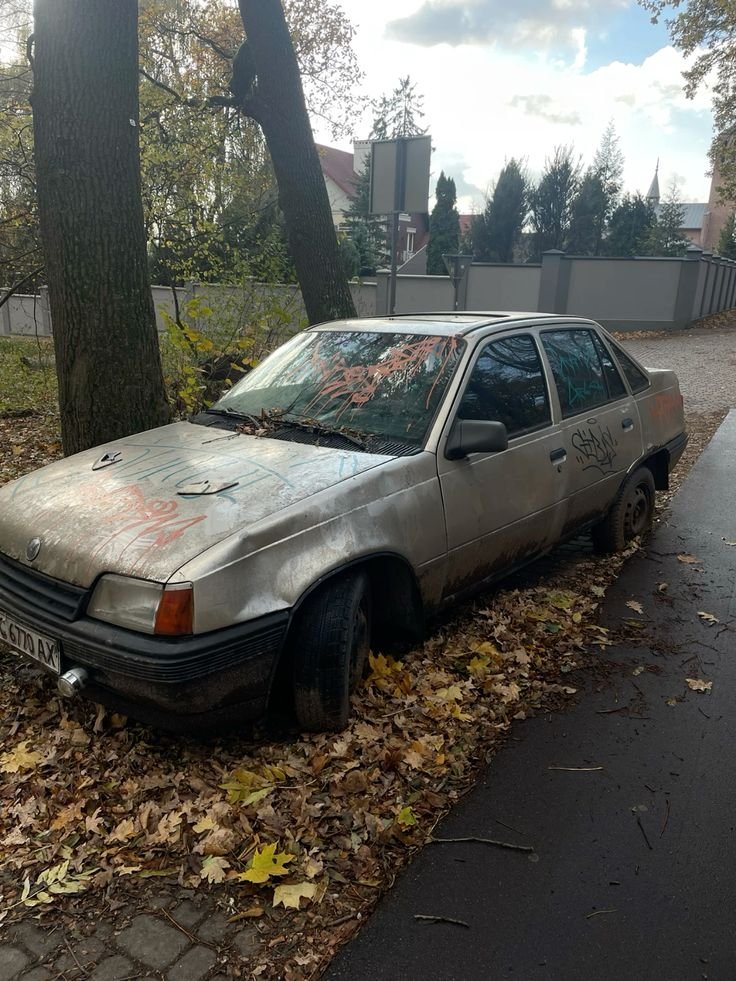
Almost every Central Florida neighborhood has one: the old car on the side of the house, the second truck that hasn't moved in a year, the project car under a tarp. On a normal day, it is just taking up space. When a hurricane or tropical storm comes through, it can become a real problem. Dealing with a junk car before hurricane season, or at least before the next storm, saves you a lot of trouble. This guide explains your options in plain English, and what Florida law says about each one.
Why an unused car is a problem in hurricane season
An extra car you don't drive causes trouble in a storm in a few ways:
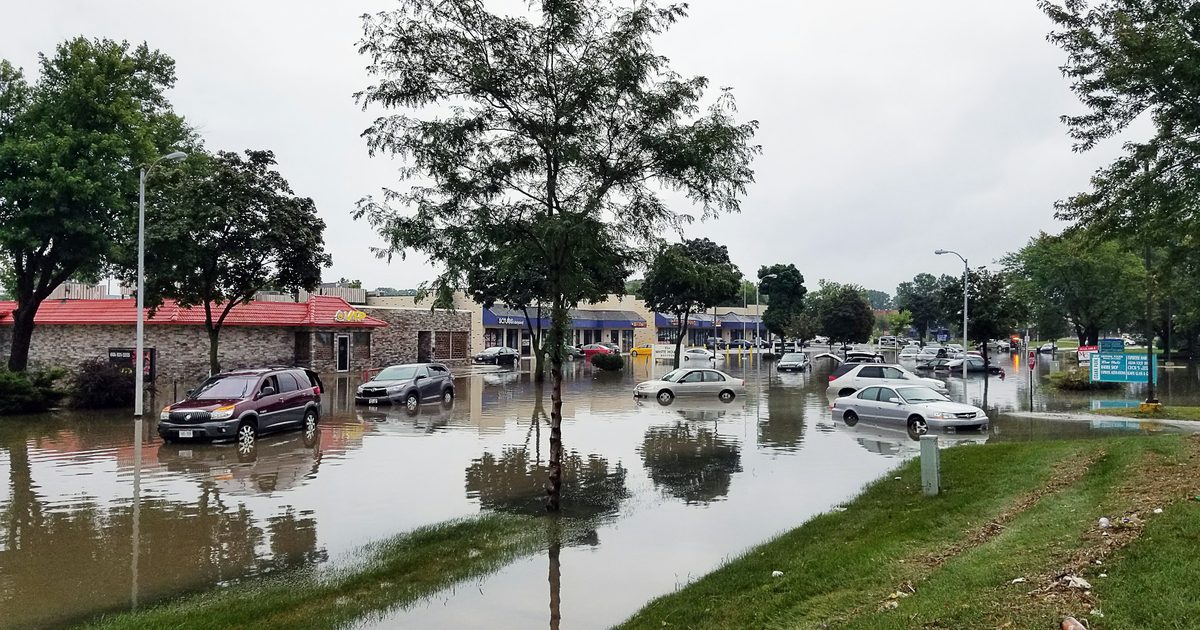
- Flood damage wipes out its value. A car that was worth something as a running used car, or for its parts, can lose most of that value once water gets into the engine, the electronics and the interior.
- It takes up space you need. Before a storm, you may want your garage or driveway for the car you actually drive, or for storing outdoor furniture and supplies.
- It can be hard to move later. After a big storm, tow trucks are busy with crashes and stranded cars, and roads may be blocked or flooded. A car that doesn't run can sit for weeks.
- It still costs you money. If the car is registered, Florida law says it must stay insured, even if it isn't being driven or doesn't run.
None of this means you must get rid of the car. But it does mean you should make a decision now, while you have time and choices.
Option 1: Sell or junk the car before the storm
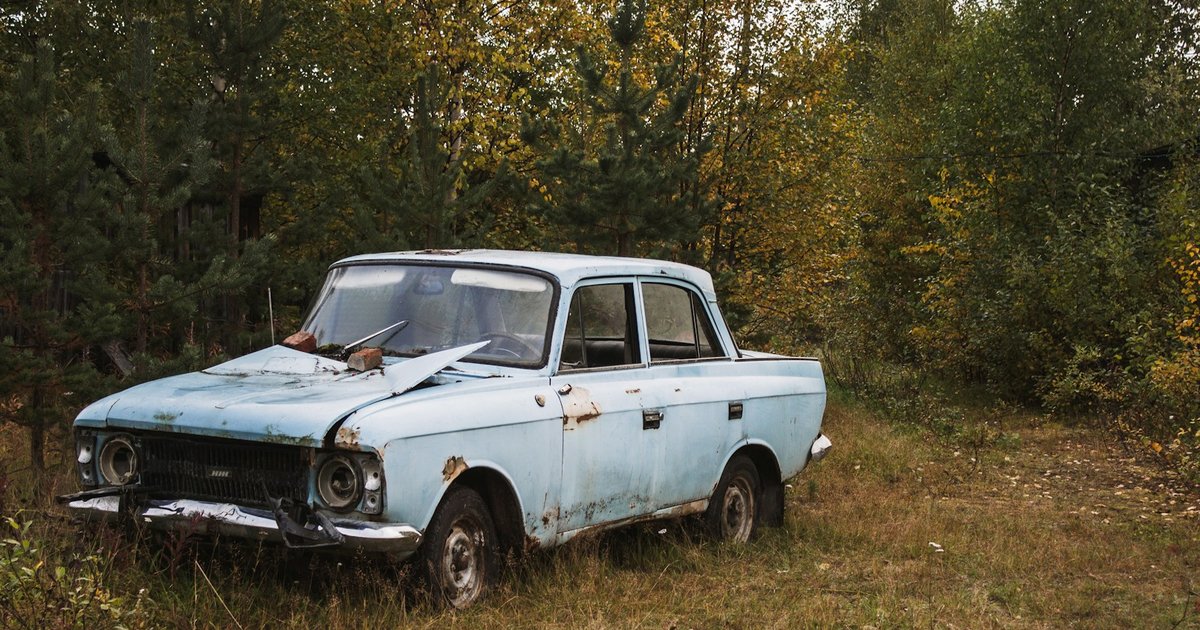
If the car doesn't run, costs more to fix than it is worth, or you simply don't need it, selling it is usually the simplest choice. A junk car buyer will look at the year, make, model, condition and whether it runs, then make you an offer. You don't need to get it running or tow it anywhere.
At Cashing Carz, you can get an instant offer on our online offer form or call 321-442-0085. If you accept, we tow the car for free, often the same day. You can read more about how it works on our services page.
Selling before a storm has a big advantage: the car is still in the condition it is in today. Once it has been sitting in floodwater, the offer will usually be lower, and you may have extra paperwork to deal with.
The paperwork: what Florida requires when you sell
Selling a car in Florida comes down to three steps. They are the same whether you sell to a neighbor or to a junk car buyer.
- Sign over the title. Fill in the seller section on the title, including the buyer's name, the sale price and the odometer reading. Florida law says a title won't be accepted for transfer unless the seller fills in the sale price, and it is illegal to transfer a title when the buyer's name isn't on it.
- Take your license plate off. In Florida, the plate belongs to you, not the car. FLHSMV tells sellers to remove it. You can move it to another car, or turn it in.
- File a Notice of Sale. Under section 319.22 of the Florida Statutes, a seller has to notify FLHSMV within 30 days after the sale. You can use form HSMV 82050 or the Notice of Sale section on the title. This is what protects you if the car is later ticketed, towed or involved in a crash.
If you can't find your title, don't wait until a storm is coming to deal with it. Our guide on what to do with a lost Florida title explains how to get a duplicate with form HSMV 82101.
Option 2: Keep the car, but do it the right way
Maybe you are fixing the car up, or it has sentimental value. That is fine. Just make sure you are covered on two fronts.
Insurance and your plate
FLHSMV says any car with a current Florida registration must have Personal Injury Protection (PIP) and Property Damage Liability (PDL) insurance, with continuous coverage, even if the car is not being driven or doesn't run. If you want to stop paying for insurance on a car you are storing, turn in the license plate at a tax collector's office or motor vehicle service center before you cancel the policy. If you cancel first, your driver license and registration can be suspended, and FLHSMV says the reinstatement fee can be up to $500.
Storm-prep for a stored car
If the car is staying, a few simple steps can help:
- Park it on the highest ground you have, away from trees and power lines.
- Keep the title, registration and insurance card in a waterproof bag that you take with you if you evacuate. Take photos of the car, inside and out, for your insurance company.
- Remove valuables and anything loose that could blow away.
- Check with your insurer about whether your policy covers flood damage. Basic PIP and PDL coverage does not pay to repair your own car.
If the car gets flooded anyway
Flooding is one of Florida's most common hazards, and FLHSMV has rules for flooded cars. When a flooded car is reported to the owner's insurance company, the insurer brands the vehicle and reports it to FLHSMV. Section 319.14 of the Florida Statutes requires the title to show, in a clear spot, that the car is flood damaged. FLHSMV says insurers are required to brand these cars as "salvage flood."
What this means for you:
- If your insurer totals the car, the insurance company usually takes it and handles the title. Follow their instructions.
- If the car wasn't insured for flood, you still own it, flooded or not. You can still sell it as a junk car. Be honest about the flood damage when you get an offer.
- Don't try to start a car that sat in floodwater. Water in the engine can cause more damage. Call for a tow instead.
FLHSMV also warns that flood-damaged cars from other states can sometimes be sold in Florida with a clean title, because branding rules vary by state. If you are buying a replacement car after a storm, you can check a Florida VIN with FLHSMV's Motor Vehicle Information Check.
A simple pre-storm checklist
| Your situation | What to do |
|---|---|
| Car doesn't run and you don't need it | Get an offer and sell it before the storm |
| Car runs but you don't use it | Sell it, or keep it insured and park it on high ground |
| You want to stop insuring a stored car | Turn in the plate first, then cancel the insurance |
| You just sold a car | Remove the plate and file HSMV 82050 within 30 days |
| You can't find the title | Apply for a duplicate with HSMV 82101 now |
| The car already flooded | Don't start it. Call your insurer, or get a junk car offer |
Junk car pickup across Central Florida
We buy cars, trucks, SUVs and vans in any condition, running or not, across the Orlando area. That includes Orlando, Kissimmee, Sanford and Apopka. Get your instant offer or call 321-442-0085.
Frequently asked questions
When is hurricane season in Florida?
The Atlantic hurricane season runs from June 1 to November 30 each year. Storms can form outside those dates, but most happen during the season.
Do I have to insure a car that doesn't run?
If it still has a current Florida registration, yes. FLHSMV says you need continuous PIP and PDL coverage even if the car is not being driven or doesn't run. To stop paying, turn in the plate first, then cancel the insurance.
What happens to my license plate when I sell my car?
You keep it. In Florida, the plate belongs to the owner, not the car. Take it off before the car is towed away, then move it to another car or turn it in.
How long do I have to file a Notice of Sale in Florida?
Section 319.22 of the Florida Statutes says the seller must notify FLHSMV within 30 days after the sale.
Can I still sell a car that was flooded?
Yes. A flooded car can still be sold as a junk car. If an insurance company totaled it, the insurer usually handles the title, so check with them first.
Can you pick up my car before a storm arrives?
Often, yes. Pickup times depend on our schedule and on road and weather conditions, so it is best to call early, well before a storm is forecast.