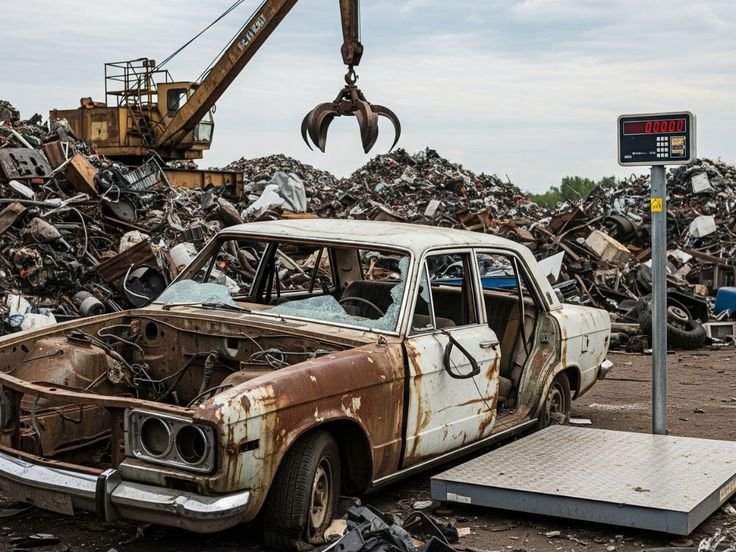
When most people think about junk car removal, sustainability is probably not the first thing that comes to mind. Old vehicles are often viewed as environmental liabilities, rusting in driveways, leaking fluids, occupying valuable space, and contributing little beyond an eyesore. Yet behind the scenes, the junk car industry has quietly become one of the most effective examples of large-scale recycling in action. In many ways, it has also inspired a new generation of sustainable startups focused on reducing waste, maximizing resource recovery, and building circular business models.
Companies like Cashing Carz see firsthand how vehicles that appear worthless can be transformed into valuable resources. Every junk car removed from a property represents an opportunity to recover materials, reduce landfill waste, and extend the life cycle of automotive components. This approach has influenced entrepreneurs across multiple industries who are searching for innovative ways to turn waste into value.
The Circular Economy in Action
One of the biggest lessons sustainable startups have taken from the junk car industry is the concept of the circular economy. Traditional business models often follow a simple path: manufacture, use, and discard. Once a product reaches the end of its life, it is thrown away and replaced.
The junk car removal industry operates differently.
When a vehicle is collected, it does not immediately become scrap metal. Instead, specialists evaluate every component that can be reused, refurbished, or recycled. Engines, transmissions, alternators, catalytic converters, batteries, tires, and countless other parts may find new life in other vehicles. Metals such as steel, aluminum, and copper are recovered and reintroduced into manufacturing supply chains.
This process minimizes waste while maximizing value from existing resources. Sustainable startups in industries ranging from electronics to furniture have adopted similar principles, creating businesses centered around repair, refurbishment, and material recovery rather than disposal.
Transforming Waste into Opportunity
One reason junk car removal has become a model for sustainable innovation is its ability to see opportunity where others see waste.
A vehicle that no longer runs may appear worthless to its owner. However, experienced buyers understand that many components still have economic value. This mindset has inspired entrepreneurs to rethink waste streams across various sectors.
Today, startups are recovering valuable materials from discarded electronics, repurposing construction waste into new building materials, and transforming food waste into renewable energy products. The core philosophy remains the same: valuable resources should not be discarded simply because their original purpose has ended.
The success of junk car recycling demonstrates that sustainability and profitability are not mutually exclusive. In fact, many of the fastest-growing green businesses are built on that exact principle.
Environmental Benefits That Extend Beyond Recycling
The impact of junk car removal extends far beyond recovering metal and parts.
Abandoned vehicles can create environmental hazards when left unattended. Motor oil, transmission fluid, coolant, brake fluid, and other chemicals may eventually leak into the surrounding soil and groundwater. Proper vehicle removal and dismantling help prevent these contaminants from causing long term environmental damage.
This preventative approach has inspired startups focused on environmental protection and resource management. Rather than waiting for problems to occur, many sustainable businesses now prioritize early intervention and proactive waste reduction strategies.
The lesson is simple: preventing pollution is often more effective and less expensive than cleaning it up later.
Technology's Growing Role in Sustainability
Modern junk car removal businesses increasingly rely on technology to improve efficiency and reduce environmental impact. Digital vehicle valuations, logistics software, route optimization tools, and inventory management systems help maximize resource recovery while minimizing transportation costs and emissions.
This integration of technology and sustainability has become a blueprint for emerging startups.
Today’s green entrepreneurs use artificial intelligence, data analytics, and automation to identify waste reduction opportunities, optimize recycling processes, and improve supply chain efficiency. The evolution of the junk car industry demonstrates how technological innovation can strengthen environmental outcomes while supporting business growth.
Creating Local Economic Opportunities
Sustainable business models often focus on environmental benefits, but economic impact is equally important.
The junk car removal industry supports jobs in towing, dismantling, recycling, logistics, parts distribution, and manufacturing. Every vehicle that enters the recycling stream creates economic activity while reducing environmental waste.
Many modern startups have embraced this dual impact approach. Instead of viewing sustainability solely as an environmental mission, they recognize the importance of creating local employment opportunities and supporting community development.
By generating economic value from materials that would otherwise be discarded, these businesses demonstrate how sustainability can benefit both people and the planet.
Lessons for Future Entrepreneurs
Perhaps the most important lesson sustainable startups can learn from junk car removal is the power of resource efficiency.
Successful businesses are increasingly asking questions such as:
- How can existing materials be reused rather than replaced?
- How can waste streams become revenue streams?
- How can products be designed for longer life cycles?
- How can recycling and recovery be integrated into everyday operations?
The junk car industry has been answering these questions for decades. Long before sustainability became a global business trend, vehicle recyclers were already recovering materials, reducing waste, and extending product life cycles.
The Future of Sustainable Innovation
As environmental concerns continue to shape consumer preferences and government policies, sustainable business practices will become even more important. Entrepreneurs are actively searching for proven models that balance profitability with environmental responsibility.
Junk car removal provides a compelling example of how this balance can be achieved. By transforming end of life vehicles into valuable resources, companies like Cashing Carz demonstrate that sustainability is not simply about reducing waste. It is about recognizing value where others see none.
The principles that drive successful junk car recycling, resource recovery, circular thinking, environmental responsibility, and operational efficiency, are now influencing a wide range of industries. As more startups embrace these ideas, the lessons learned from junk car removal will continue to shape the future of sustainable innovation.
What was once considered a simple vehicle disposal service has evolved into a powerful example of how businesses can create economic opportunity while supporting a more sustainable world.